Common Failure Points in Virginia Homes
If you ask ten Shenandoah Valley homeowners what causes their roof to leak, most will point to shingles. But the real culprit is usually something far less visible: flashing. Flashing is the thin metal installed around chimneys, skylights, valleys, and roof-to-wall transitions to keep water from sneaking into the seams. When it fails, water doesn’t announce itself with a dramatic drip — it quietly works its way into your attic, framing, and drywall for months before you notice a stain.
In Harrisonburg and across Rockingham County, our freeze-thaw winters and humid summer storms put flashing under constant stress. Metal expands and contracts, sealant dries out, and nail holes widen over time. This guide breaks down where flashing typically fails, how to spot the warning signs, and what a proper repair actually involves.
What Flashing Actually Does
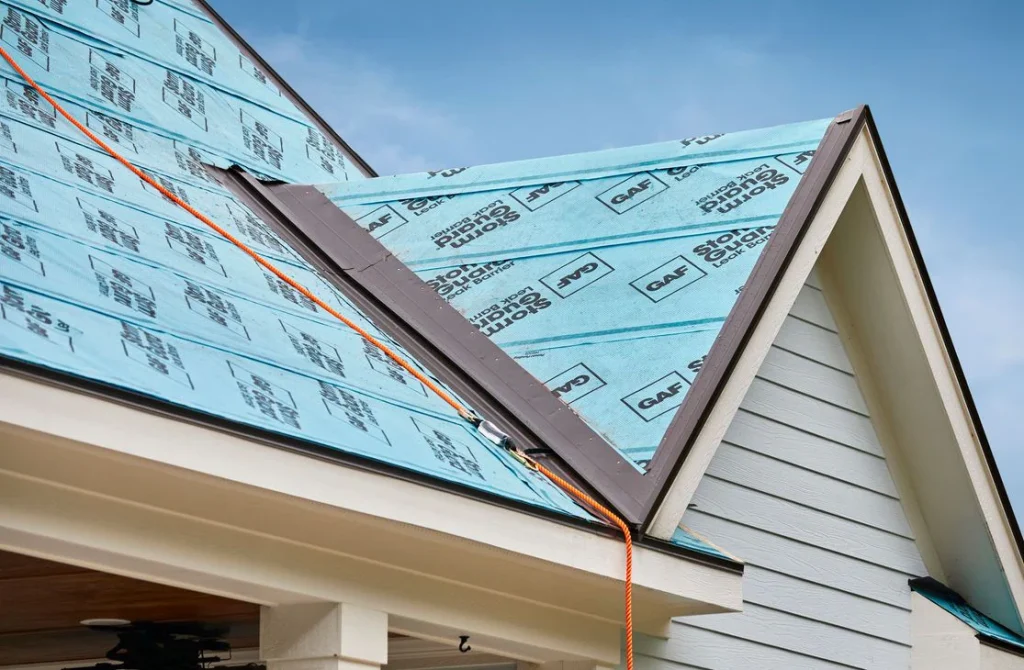
Flashing redirects water away from the most vulnerable parts of your roof — the places where two surfaces meet. A roof made entirely of flat shingle field is relatively easy to waterproof; it’s the joints, penetrations, and transitions that require engineered solutions. Common flashing types include:
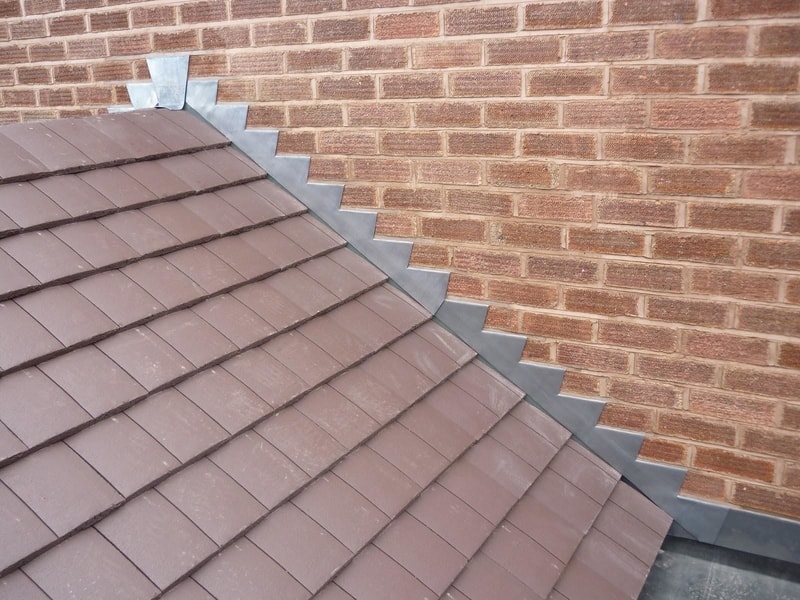
- Step flashing — layered pieces along roof-to-wall intersections, such as where a dormer meets the main roof.
- Valley flashing — channels water down the V-shaped intersection of two roof planes.
- Chimney flashing — a combination of base flashing and counter-flashing that wraps the chimney base.
- Drip edge flashing — runs along the eaves and rakes to direct water into the gutter instead of behind the fascia.
- Pipe boot flashing — a rubber or lead collar sealing around plumbing vent stacks.
The 5 Most Common Flashing Failure Points in Virginia Homes
1. Chimney Flashing Separation
Masonry chimneys shift slightly with seasonal temperature changes, while the roof structure moves independently. Over years, this differential movement pulls counter-flashing away from the chimney, opening a gap that funnels water straight down into the firebox surround and attic.
2. Cracked Pipe Boots
Rubber pipe boots are usually the first flashing component to fail — often within 10 to 15 years — because UV exposure dries out the rubber collar until it cracks. A cracked boot around a plumbing vent is one of the most common sources of attic leaks we find during inspections.
3. Valley Flashing Corrosion
Valleys carry more water volume than any other part of the roof, which means valley metal corrodes and wears faster, especially on older galvanized steel installations. Granule buildup from aging shingles can also trap moisture against the metal and accelerate rust.
4. Step Flashing Installed with Caulk Instead of Proper Layering
Some lower-cost roofing jobs use a single piece of bent metal sealed with caulk along a wall intersection instead of individually layered step flashing pieces woven with each shingle course. Caulk degrades in 3 to 5 years; properly layered step flashing relies on gravity and shingle overlap, so it doesn’t depend on sealant at all.
5. Drip Edge Gaps at Fascia Corners
Without continuous drip edge, water can wick backward under the shingles at the eaves and saturate the fascia board and roof deck edge — a slow rot process that’s often hidden until the fascia visibly sags.
Quick Self-Check: From the ground, use binoculars to look at your chimney base, any roof valleys, and where plumbing vents poke through the roof. Rust streaks, lifted metal edges, or visible gaps are signs flashing needs attention before the next heavy rain.
Flashing Material Comparison
| Material | Typical Lifespan | Best Use | Notes for VA Climate |
|---|---|---|---|
| Aluminum | 20–25 years | Step, drip edge | Lightweight, resists rust, can corrode near treated lumber |
| Galvanized Steel | 15–20 years | Valley, chimney | Affordable but prone to rust once coating wears |
| Copper | 50+ years | Chimney, valley on premium homes | Excellent durability, higher upfront cost |
| Rubber/EPDM Boots | 10–15 years | Pipe penetrations | First component to fail; check yearly |
Why Flashing Repairs Aren’t a DIY Caulk-Gun Job
When to Call a Professional
A common mistake we see is homeowners applying roofing cement or caulk over a flashing gap as a quick fix. This often traps moisture rather than blocking it, and it voids most manufacturer warranties since sealant is considered a temporary patch, not a structural repair. Proper flashing work means removing the surrounding shingles, replacing the flashing piece itself, and re-weaving the shingle courses — a process that takes roofing-specific tools and experience to do without damaging surrounding material.
According to the National Roofing Contractors Association, flashing failures are among the leading causes of residential roof leaks nationwide, which is why proper detailing at penetrations and transitions is treated as a core part of any quality roofing installation. You can review general roofing system standards and consumer resources at the National Roofing Contractors Association.
If you notice any of the following, it’s time for a flashing inspection rather than a wait-and-see approach:
- Water stains on ceilings near chimneys, skylights, or interior walls below the roofline
- Visible rust or lifted metal edges around penetrations
- Daylight visible through the attic at any roof-to-wall transition
- Granules collecting heavily in valleys, suggesting accelerated wear
FAQ
How much does flashing repair cost in Virginia?
Spot repairs on a single chimney or valley section typically run a few hundred dollars, while full re-flashing during a roof replacement is bundled into the overall project cost. Pricing depends on flashing material, roof pitch, and accessibility.
Can I just caulk over a flashing leak?
Caulk can buy you a short window before a proper repair, but it’s not a permanent fix. Trapped moisture under sealant often causes more hidden damage than the original gap.
How often should flashing be inspected?
We recommend a visual flashing check every fall before winter storms and after any major wind or hail event, in addition to your regular roof inspection schedule.
Need a Roofing Expert in the Shenandoah Valley?
Elevex Roofing has helped homeowners across Harrisonburg, Rockingham County, and the surrounding Valley protect their homes with honest inspections and quality workmanship.