How long does a roof last in Virginia?
If you own a home in Virginia — whether in Harrisonburg, Rockingham County, Augusta County, Staunton, or the surrounding Shenandoah Valley — one of the most important questions you can ask is: how long will my roof actually last? Your roof is your home’s first line of defense against the elements, and in Virginia, those elements are no joke. Understanding roof lifespan by material helps you plan for replacement costs, avoid surprise leaks, and make smarter decisions about the most valuable asset you own.
This guide breaks down everything Virginia homeowners need to know about roof longevity, including the specific challenges our local climate creates, a full comparison of roofing material lifespans, and clear warning signs that it’s time to call a licensed roofing contractor.
Why Virginia's Climate Affects Roof Lifespan
Virginia sits in a unique climatic zone that puts exceptional stress on residential and commercial roofing systems. Unlike states with more predictable weather patterns, Virginia homeowners deal with a wide range of conditions throughout the year:
- Hot, humid summers with temperatures regularly climbing above 90°F, causing thermal expansion and accelerating shingle degradation
- Freeze-thaw cycles in winter and early spring, which cause moisture trapped under roofing materials to expand and contract, weakening seals and flashings
- Heavy spring and summer storms bringing high winds, hail, and intense rainfall — all common causes of storm damage in Harrisonburg and the Valley
- Ice dams in colder months, especially in mountain-adjacent communities, which push water beneath shingles and into the home’s structure
- UV radiation exposure that breaks down asphalt binders and organic roofing materials over time
All of these factors mean that a roof’s rated lifespan — the number you see on manufacturer warranties — is often an ideal-conditions figure. In real Virginia conditions, some materials underperform those estimates if not properly maintained. Others, particularly metal roofing, actually hold up exceptionally well in our climate.
Virginia Roof Lifespan by Material: Quick Reference
| Roofing Material | Avg. Lifespan (VA) | Cost Range (per sq) | Best For | Rating |
|---|---|---|---|---|
| 3-Tab Asphalt Shingles | 15–20 yrs | $100–$150 | Budget-conscious homeowners | Basic |
| Architectural Asphalt Shingles | 25–30 yrs | $150–$250 | Most residential homes | Popular |
| Premium Asphalt (Impact-Resistant) | 30–35 yrs | $200–$300 | Hail-prone areas | Upgraded |
| Metal Roofing (Steel/Aluminum) | 40–70 yrs | $300–$600 | Long-term value, low maintenance | Excellent |
| Standing Seam Metal | 50–70 yrs | $500–$900 | Premium homes, historic properties | Premium |
| Wood Shake / Cedar | 20–30 yrs | $400–$600 | Aesthetic-forward homeowners | Moderate |
| Slate Roofing | 75–150 yrs | $600–$1,500 | Historic homes, premium construction | Lifetime |
| Flat / TPO Membrane | 15–25 yrs | $150–$300 | Commercial, low-slope additions | Functional |
Roof Lifespan Deep Dive: Material by Material
Most Common in VA
Architectural Asphalt Shingles
25–30 years
The most popular roofing choice for Virginia homes. Dimensional, layered construction handles moderate hail and wind better than 3-tab alternatives. A well-maintained architectural roof can push 30+ years.
Best Long-Term Value
Metal Roofing
15–20 years
Increasingly uncommon on new installations. While affordable upfront, the shorter lifespan and lower wind resistance (typically rated to 60–70 mph) make it a less compelling value in storm-prone Virginia.
Longest Lifespan
Natural Slate
75–150 years
True slate — plentiful in historic Virginia homes — can outlast the structure beneath it. The primary constraint is structural: your home must support the weight, and skilled slate installers are rare.
Budget Option
3-Tab Asphalt
15–20 years
Increasingly uncommon on new installations. While affordable upfront, the shorter lifespan and lower wind resistance (typically rated to 60–70 mph) make it a less compelling value in storm-prone Virginia.
Wood Shake Roofing in Virginia: Beautiful but Demanding
Cedar shake and wood shingle roofs offer undeniable curb appeal and natural insulation properties. In Virginia’s humid summers, however, wood roofing requires consistent maintenance — including treatment for moss, mold, and moisture intrusion — to reach the upper end of its 20–30 year lifespan. Homeowners in wooded or shaded lots around the Shenandoah Valley should be especially diligent about debris removal and annual inspections.
Metal Roofing in Virginia: The Clear Performance Leader
If you’re investing in a roof replacement in Virginia and want the longest-lasting solution, metal roofing is consistently the top recommendation from local roofing professionals. Here’s why it excels in our specific climate:
- Rated for winds of 120–140 mph — well above our worst storm events
- Naturally sheds snow and ice, reducing dam risk in mountain-adjacent communities
- Class A fire rating and superior resistance to UV degradation
- Energy-efficient: reflective coatings can reduce cooling costs by 10–25% in hot Virginia summers
- Low maintenance: no granule loss, no curling, no moss susceptibility
💡 Virginia Homeowner TipIf your current roof is 20 years or older and was installed with 3-tab asphalt shingles, there’s a high probability it is approaching or has already exceeded its functional lifespan — even if it doesn’t appear obviously damaged from the ground.
Factors That Shorten a Roof's Lifespan in Virginia
Beyond material choice, several variables significantly accelerate roof aging for Virginia homeowners:
1. Poor Ventilation
Inadequate attic ventilation is one of the single biggest killers of roof lifespan in Virginia homes. When hot, moist air is trapped in the attic, it raises temperatures in the roof deck — literally cooking the underside of your shingles from below. This causes premature granule loss, blistering, and accelerated cracking. A properly ventilated roof can add years to any material type.
2. Storm Damage Left Unaddressed
Virginia sees significant hail and wind events each spring and summer. A single hailstorm can compromise the waterproofing integrity of asphalt shingles without producing obvious visible damage from the ground. Invisible micro-fractures in shingles allow moisture to begin infiltrating the roof deck. If left uninspected after a storm, minor impact damage can evolve into major interior water damage within months. If you suspect storm damage, getting a professional inspection quickly is critical.
3. Inadequate Flashing
Flashing — the metal strips that seal transitions around chimneys, skylights, vents, and valleys — is where most roof leaks originate. Poor original installation or flashing that has been compromised by thermal expansion cycles (very common in Virginia’s climate swings) allows water to bypass the shingles entirely. This is a repair issue, not a full-replacement issue, but only if caught early.
4. Moss, Algae, and Lichen Growth
Virginia’s humid climate creates ideal growing conditions for moss and algae on north-facing roof sections or shaded areas. These organisms are more than cosmetic concerns — their root systems actually penetrate shingle surfaces and lift granules, accelerating water infiltration. Algae-resistant shingles with copper-infused granules are widely available and worthwhile in wooded areas of Rockingham and Augusta County.
5. Improper Installation
Even the best materials underperform when installed incorrectly. Improper nail placement, skipped underlayment, or poor decking preparation dramatically shorten functional lifespan regardless of what the shingle manufacturer’s warranty says. Working with a licensed Virginia roofing contractor with documented installation standards protects your investment.
⚠️ Warning: Layering Shingles Reduces LifespanAdding a second layer of asphalt shingles over an existing roof is common but problematic. The added weight stresses the structure, heat trapped between layers accelerates shingle degradation, and the new layer can only be warranted for its “overlay” lifespan — often 10–15 years, not the full rated lifespan. A full tear-off and replacement is almost always the better long-term investment.
Factors That Shorten a Roof's Lifespan in Virginia
Don’t wait for an active leak to call a roofer. These are the indicators Virginia homeowners should never ignore:
- Shingles are curling, cupping, or buckling — a sign the materials have reached the end of their service life or the attic has a ventilation problem
- Granules filling your gutters — asphalt shingles shed granules as they age; heavy granule loss means accelerated weathering is underway
- Visible daylight through the attic — gaps in the decking are a serious structural concern
- Sagging roof deck or ridge line — indicates decking damage from moisture or structural compromise; replacement is urgent
- Dark streaks or green patches on the roof surface — algae and moss growth indicating moisture retention issues
- Frequent leaks or water stains on ceilings — multiple leak points suggest systemic failure, not isolated repair needs
- Your roof is 20+ years old — even without visible damage, older roofs have degraded underlayment and worn flashings that may not be visible from the ground
If you’re seeing two or more of these signs, the cost of continued repairs almost always exceeds the cost of a planned roof replacement. The longer a failing roof goes without replacement, the greater the risk of structural deck damage, mold growth in the attic, and costly interior repairs.
How to Maximize Your Roof's Lifespan in Virginia
Regardless of which roofing material covers your home, these maintenance practices will help you reach — and sometimes exceed — the expected lifespan:
- Annual professional inspections: A qualified roofer can identify early-stage issues invisible to the untrained eye — cracked flashings, lifted shingles, failing sealants — before they escalate into major problems.
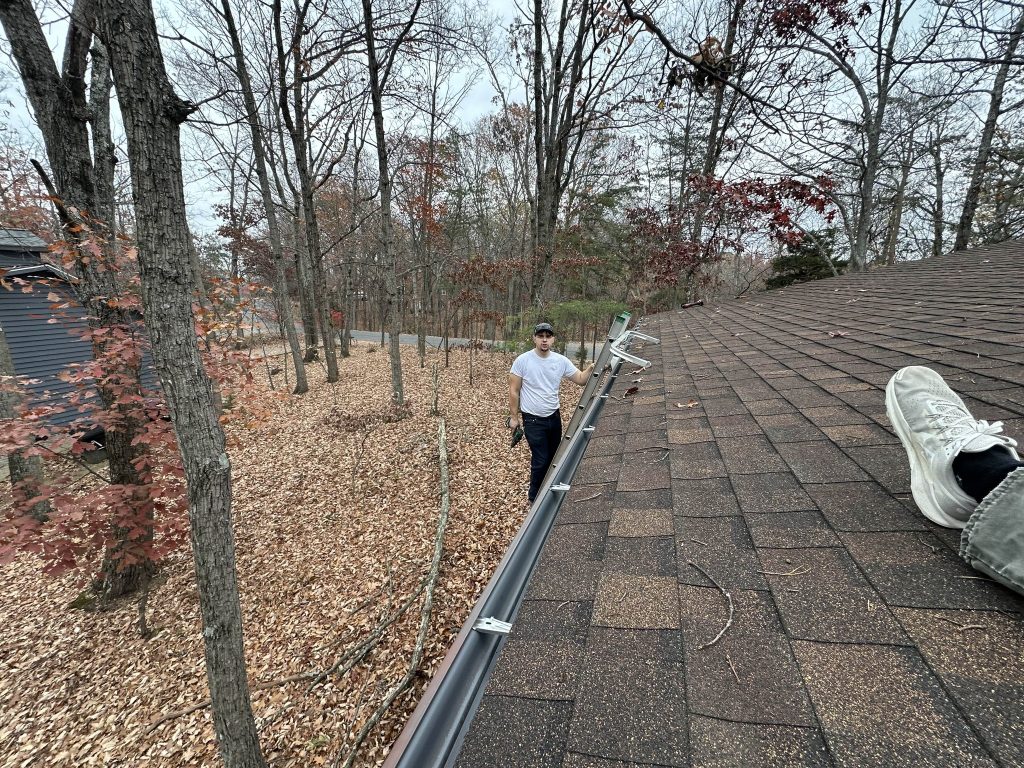
- Keep gutters clean and functional: Clogged gutters back water up under roof edges, causing fascia rot and eventual sheathing damage. Schedule gutter cleaning at least twice annually in Virginia’s leaf-heavy fall season.
- Trim overhanging trees: Overhanging branches deposit debris, accelerate moss growth, and pose physical impact risk during storms. Tree service is a direct investment in roof longevity.
- Address minor repairs immediately: A missing shingle or cracked flashing left unrepaired for one Virginia winter season can cause thousands in deck and interior damage.
- Ensure proper attic ventilation: Work with your roofing contractor to confirm your ventilation ratio meets code requirements. This single factor dramatically affects how long your roof lasts.
When to Repair vs. When to Replace Your Virginia Roof
This is the question most homeowners wrestle with, and the honest answer depends on three factors: the age of the roof, the extent of damage, and the material’s remaining service life.
A general rule used by experienced Virginia roofing contractors: if your roof is under 15 years old and the damage is isolated to a small area, repair is likely the right call. If your roof is over 20 years old, or if damage affects more than 30% of the surface, replacement is almost always the more economical long-term decision. Ongoing repairs on an aging roof are a diminishing investment — each repair buys less time as the surrounding materials continue to degrade.
The best way to get a clear, honest assessment is a free roof inspection from a licensed local roofing contractor. A trustworthy contractor will tell you the truth about what your roof actually needs — not the most expensive option.
Get a Free Roof Inspection in Virginia
Not sure how much life is left in your roof? Elevex Exteriors provides honest, no-pressure inspections for homeowners across Harrisonburg, Rockingham County, Augusta County, Staunton, and the surrounding Shenandoah Valley.
Final Thoughts: Know Your Roof, Protect Your Home
Your roof is one of the most significant investments in your home, and in Virginia’s demanding climate, understanding how long your roofing material should last is the foundation of smart homeownership. Asphalt shingles are reliable and cost-effective; metal roofing offers unmatched longevity; slate delivers a near-lifetime solution for the right home. What matters most is making an informed choice, maintaining it consistently, and working with a trusted Virginia roofing contractor who will give you an honest assessment when the time comes.
At Elevex Exteriors, we’ve helped homeowners across the Shenandoah Valley protect their homes with quality roofing solutions built for Virginia’s climate. Whether you’re budgeting for a future replacement or need help right now, we’re here to make the process straightforward and stress-free.