
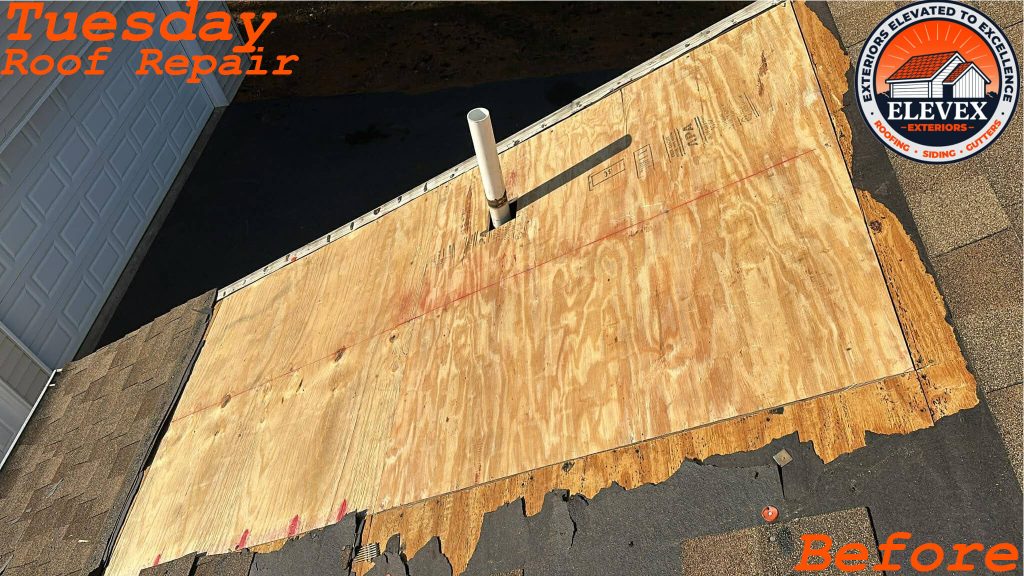
When a severe storm hits Virginia, the damage to your home can be stressful and sometimes even dangerous. Your roof is your first line of defense against wind, rain, and debris, and storm damage can quickly turn into bigger problems if not handled properly. Knowing the right steps to take after a storm can save you time, money, and stress.
If you’re dealing with storm damage to your roof in Virginia, this guide will walk you through the steps you should take immediately after a storm and how to get professional help to restore your home.
Signs Your Roof Has Storm Damage in Virginia
Storm damage can sometimes be obvious, but in other cases, it might be hidden. Here are some signs to look out for:
- Missing or damaged shingles – High winds can tear off shingles or leave them cracked, exposing your roof deck.
- Leaks inside your home – Water stains on ceilings or walls may indicate roof penetration.
- Dented or damaged gutters – Hail or falling debris can damage gutters, leading to water drainage issues.
- Loose or missing flashing – Flashing around chimneys or vents can loosen in storms, creating leaks.
- Debris on your roof – Branches, leaves, or other debris can hold moisture and cause damage over time.
Pro Tip: Even minor signs of damage can lead to serious problems if left untreated, so it’s important to inspect your roof as soon as safely possible.
Step 1: Ensure Safety First
Your safety is the top priority after a storm. Before inspecting your roof:
- Avoid walking on a wet or damaged roof – Slippery shingles can lead to falls.
- Keep children and pets inside until the area is safe.
- Beware of downed power lines or electrical hazards from the storm.
If damage is severe, it’s best to call a professional roofing contractor rather than attempting repairs yourself.
Step 2: Document the Damage
For insurance purposes and professional repair, document all roof damage:
- Take clear photos and videos of shingles, gutters, siding, and any interior leaks.
- Make a note of the date and type of storm that caused the damage.
- Keep track of temporary repairs (like tarps) to show your insurance company.
This documentation can help you file insurance claims quickly and accurately.
Step 3: Contact a Trusted Roofing Contractor in Virginia
Once you’ve assessed the damage, contact a professional roofing company experienced with storm damage.
At Elevex Exteriors, we specialize in storm damage roof repair in Virginia, including:
- Roof inspections after hail, wind, or heavy rain
- Temporary protective measures to prevent further damage
- Full roof repairs or replacements
We can help ensure your home is safe, secure, and restored quickly.
📌 Learn more about our services: Storm Damage Roofing in Harrisonburg VA
Step 4: Temporary Protection Measures
If your roof is leaking or shingles are missing, you may need temporary protection until professional repairs can be made:
- Tarp exposed areas to prevent water intrusion
- Move valuable items indoors to avoid water damage
- Check your attic for leaks and water accumulation
Note: Only attempt temporary fixes that are safe. Avoid climbing on unstable roofs.
Step 5: File an Insurance Claim (If Needed)
If your home is insured, storm damage may be covered. To make the process smoother:
- Contact your insurance company immediately
- Provide the photos and documentation you took
- Work with your roofing contractor to estimate repairs and submit detailed information
A trusted roofing contractor can also communicate directly with your insurance adjuster to ensure proper coverage.
Step 6: Schedule Professional Repairs
Once you have the insurance approval or budget ready, schedule the necessary roof repairs or replacement.
Professional storm damage repair in Virginia includes:
- Replacing damaged shingles or entire roof sections
- Fixing leaks and reinforcing flashing
- Repairing gutters and downspouts
- Inspecting for hidden damage behind walls or attic
Timely repairs can prevent mold growth, structural damage, and interior leaks, saving you money in the long run.
Step 7: Ongoing Maintenance to Protect Your Roof
Once your roof has been repaired after storm damage, it’s important to maintain it properly to prevent future issues. Regular maintenance not only extends the life of your roof but also protects your home from costly repairs down the line. Here’s what homeowners in Virginia should do:
1. Schedule Annual Roof Inspections
Even without a storm, roofs naturally age and can develop hidden issues. A professional inspection can detect problems early, including:
- Loose or curling shingles
- Damaged flashing around vents and chimneys
- Signs of leaks in the attic or ceiling
- Minor hail or wind damage that might worsen over time
Pro Tip: Spring and fall are the best times to schedule inspections in Virginia, before heavy storm seasons.
2. Keep Gutters Clean and Functional
Clogged gutters can cause water to back up under shingles or along the fascia, leading to rot and leaks. Tips for gutter maintenance:
- Remove leaves, twigs, and debris regularly
- Check for sagging or detached sections
- Ensure downspouts direct water away from your foundation
💡 Quick Tip: Consider installing gutter guards to reduce debris buildup.
3. Trim Overhanging Trees
Branches can damage shingles during storms, and falling limbs are a common source of storm-related roof damage. Maintain a safe distance of at least 10 feet between trees and your roof.
- Prune weak or dead branches
- Remove branches that hang directly above the roof
- Consider professional tree trimming for large or tall trees
4. Monitor for Signs of Wear
After repairs, it’s important to watch for subtle warning signs:
- Granule loss on shingles (check your gutters for black grit)
- Small leaks during heavy rain
- Sagging roof panels or decking
Early detection allows you to fix minor issues before they become major problems.
5. Address Small Repairs Immediately
Small problems like a loose shingle, minor flashing damage, or small leaks may seem harmless but can turn into bigger repairs if ignored. Fixing them promptly:
- Prevents water intrusion and mold growth
- Extends the life of your roof
- Saves money compared to a full replacement later
6. Seasonal Preparation
Virginia homeowners face a variety of weather challenges throughout the year:
- Winter: Clear ice dams and snow accumulation
- Spring: Inspect for hail or wind damage from storms
- Summer: Ensure vents and attic areas are properly ventilated
- Fall: Remove leaves and debris, prepare gutters for heavy rains
By following a seasonal maintenance schedule, you minimize the risk of future storm damage and prolong your roof’s lifespan.
✅ Key Takeaway
Routine maintenance is just as important as repairs after a storm. By staying proactive, you ensure your roof remains strong, protects your home, and keeps insurance claims minimal.
Why Choose Elevex Exteriors for Storm Damage Roofs in Virginia
Storm damage repair requires experience, speed, and attention to detail. At Elevex Exteriors, formerly Gutter Brothers, we’ve built a reputation for:
- Trusted craftsmanship with local expertise in Virginia
- Transparent pricing and honest recommendations
- Fast response times after storms
- Helping homeowners navigate insurance claims
We treat every home as if it were our own, ensuring your roof is safe, durable, and looks great.
Final Thoughts
Dealing with roof damage after a storm in Virginia can be overwhelming, but knowing the steps to take makes a huge difference:
- Stay safe
- Document the damage
- Call a professional contractor
- Protect your home temporarily
- Work with insurance
- Schedule repairs
Don’t wait until minor damage turns into a major problem.
📞 Contact Elevex Exteriors today to inspect your roof and get a fast, reliable repair: Storm Damage Roofing in Harrisonburg VA