As a homeowner in the Old Dominion, your roof is your home’s most important defense against the elements. From the humid, salt-tinged air of the coast to the heavy ice loads in the Shenandoah Valley and the intense summer thunderstorms that roll through Rockingham County, a Virginia roof works harder than most.
However, because your roof is “out of sight, out of mind,” many homeowners don’t realize there is a problem until water is dripping through the living room ceiling. Identifying the signs you need a new roof early can be the difference between a planned, budget-friendly replacement and an emergency disaster recovery.
In this guide, we’ll walk you through the structural, aesthetic, and interior red flags that signal it’s time for a change. If you recognize these symptoms on your own home, explore our Full Roofing Services or visit our specialized Roof Replacement in Harrisonburg, VA page for local assistance.
1. The Calendar Check: How Old is Your Roof?
The most common question we get is: When to replace a roof in Virginia? The answer usually starts with a date.
The 20-Year Benchmark
While some premium materials like metal or slate can last 50+ years, the vast majority of Virginia homes use architectural asphalt shingles. These are generally rated for 25 to 30 years, but in our climate—characterized by rapid “freeze-thaw” cycles and high UV exposure—the functional lifespan is often closer to 20 or 22 years.
The “Layer” Problem
If you moved into a home where the previous owner installed a “roof-over” (adding new shingles on top of old ones), your roof’s lifespan is significantly shorter. Heat gets trapped between the layers, essentially “baking” the shingles from both sides. If your roof is 15 years old but has two layers, it may already be failing.
2. Exterior Visual Red Flags
You don’t need to be a professional contractor to spot the most obvious signs you need a new roof. A simple walk around your property with a pair of binoculars can reveal a lot.
Curling and Cupping
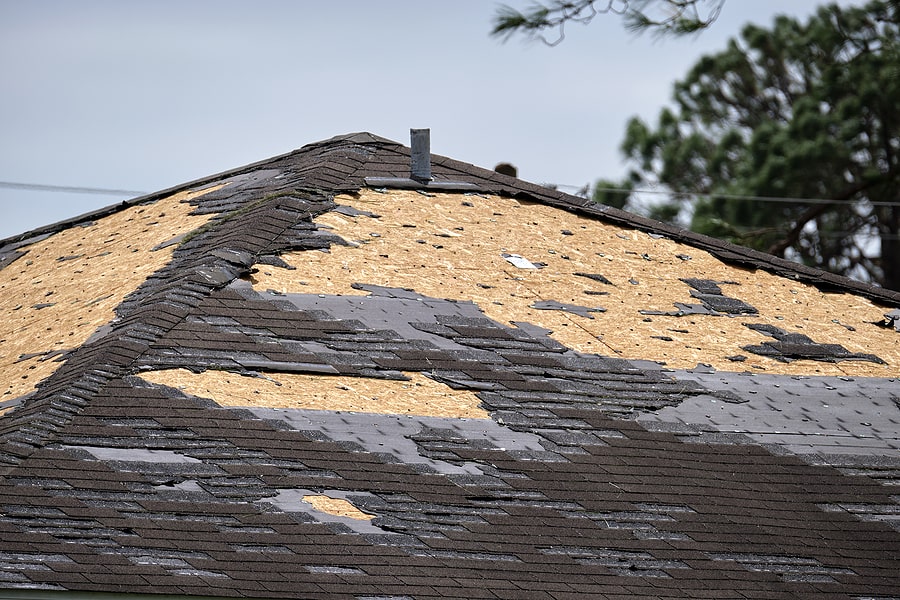
When shingles reach the end of their life, they lose the oils that keep them flexible. As they dry out, the edges begin to turn upward (cupping) or the middle starts to bulge (clawing). This creates gaps where wind can catch the shingle and rip it off, or where wind-driven rain can slide underneath.
Cracking and “Thermal Splitting”
Virginia’s temperature swings—where it might be 30°F in the morning and 70°F by the afternoon—cause shingles to expand and contract rapidly. Over time, this causes physical cracks. If you see vertical or horizontal cracks across multiple shingles, the waterproof seal is compromised.
Bald Spots and Granule Loss
Asphalt shingles are coated with ceramic granules that protect the underlying bitumen from UV rays. As a roof ages, these granules loosen. Check your downspouts after a heavy rain. If you see piles of what looks like “black sand,” your shingles are losing their armor. Without granules, the sun will brittle the shingles in just one or two seasons.
3. The “Biological” Threat: Moss and Algae
In the lush, humid environment of the Shenandoah Valley, roofs often become a breeding ground for organic growth.
Black Streaks (Algae)
Those long, dark streaks you see on North-facing roof slopes are usually Gloeocapsa Magma. While primarily an aesthetic issue, this algae feeds on the limestone filler in shingles. If left untreated, it weakens the shingle structure.
The Danger of Moss
Unlike algae, moss is a critical warning sign. Moss acts like a sponge, holding moisture directly against the roof surface. In the winter, that moisture freezes, expands, and pries the shingles apart. If you have significant moss growth, there is a high probability that the wooden decking underneath is starting to rot.
4. Flashings and Penetrations: The Weak Links
A roof isn’t just shingles; it’s a system of transitions. The most common leak points in Virginia homes are:
- Chimney Flashing: The metal plates where the brick meets the roof. If these are rusted or pulling away, water will pour into your fireplace or walls.
- Valleys: These are the “gutters” on your roof where two slopes meet. Because they handle the highest volume of water, any damage here is an immediate emergency.
- Pipe Boots: The rubber seals around plumbing vents. In Virginia’s sun, these rubber boots often crack and rot long before the shingles do.
5. The Interior Attic Inspection
Sometimes the most definitive signs you need a new roof are found inside the house. Grab a flashlight and head to your attic during or immediately after a rainstorm.
- Light Infiltration: If you turn off the lights and see pinpricks of daylight coming through the roof boards, you have a hole. If light can get in, water is already getting in.
- Sagging Roof Deck: Look at the underside of the roof. Does it look straight, or are there visible “dips” between the rafters? Sagging is a sign of long-term moisture damage to the plywood.
- Dark Stains or “Trails”: Look for water tracks on the rafters or discoloration on the insulation. Even a small, dried-up stain suggests a leak that will reappear during the next heavy Virginia “Nor’easter.”
6. High Energy Bills
Have you noticed your cooling costs skyrocketing in July and August? While many blame the HVAC system, a failing roof is often the culprit.
As shingles age and lose their reflective granules, they absorb more heat. If your roof’s ventilation system (ridge vents and soffits) is clogged or failing, that heat gets trapped in your attic, forcing your AC to work twice as hard. A new, properly ventilated roofing system from Elevex Exteriors can significantly lower your monthly utility spend.
Conclusion: Don’t Wait for the Drip
In Virginia, roofing problems don’t “stay the same”—they only get worse. A small leak in the fall can lead to a collapsed ceiling under the weight of a January snow.
If you’ve noticed any of these signs you need a new roof, the time to act is now. Replacing your roof is an investment in your home’s equity, your family’s safety, and your own peace of mind.
Ready to protect your home?
At Elevex Exteriors, we specialize in high-quality, weather-resistant roofing systems tailored for the Virginia climate.
- Explore our process: Full-Service Roofing Solutions
- Get a local estimate: Roof Replacement in Harrisonburg & Rockingham County