How to Spot a Roofing Scam After a Storm in Virginia
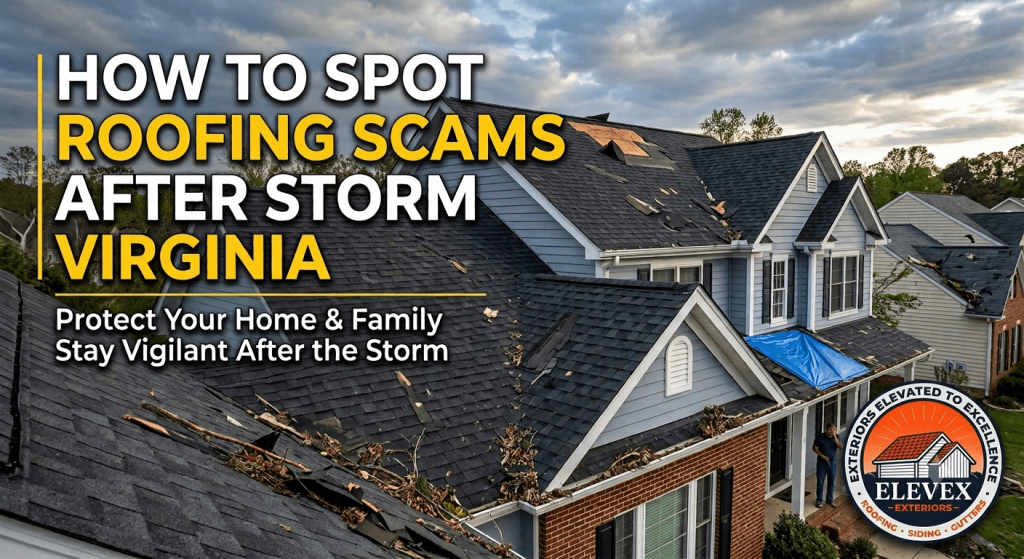
After any significant hail or windstorm rolls through Rockingham County, it’s common to see unfamiliar trucks and door-knockers offering “free roof inspections” within days. Most are legitimate contractors looking for work. Some, unfortunately, are storm-chasing operations that disappear after collecting a deposit, or pressure homeowners into unnecessary insurance claims. Here’s how to tell the difference before you sign anything.
Why Storm Damage Attracts Bad Actors
Large storms create a short-term surge in demand for roofing repairs, which legitimate local companies can’t always staff up for fast enough. That gap gets filled by traveling crews who follow major weather events from state to state, set up temporary local phone numbers, and leave town once the insurance checks clear — sometimes before the work is even finished correctly.
7 Warning Signs of a Storm-Chasing Roofing Scam
1. Unsolicited Door Knocking Right After a Storm
While some reputable local contractors do canvas neighborhoods after storms, be cautious of anyone who shows up uninvited claiming they “noticed damage from the street” and pressures you to sign a contract on the spot.
2. No Permanent Local Address or Established Reviews
Search the company name plus “Virginia” and check how long they’ve actually operated in the area. A company with no history in Harrisonburg or the Valley before this storm season is a red flag.
3. Pressure to Sign Before an Adjuster Visits
Be wary of any contractor who insists you sign a contract before your insurance adjuster has inspected the roof, especially if the contract includes an “assignment of benefits” clause that hands them direct control over your claim.
4. Asking for Large Upfront Deposits in Cash
Reputable contractors typically structure payment around project milestones. Demands for full payment or large cash deposits before any work begins are a common pattern in scam operations.
5. “We’ll Waive Your Deductible”
This is not just a red flag — in many states, including Virginia, it can constitute insurance fraud. Legitimate contractors do not offer to cover or waive your deductible as a sales incentive.
6. Vague or Missing Written Estimates
A scope of work should clearly list materials, labor, warranty terms, and total cost. Verbal promises with no paper trail leave you with no recourse if work isn’t completed as discussed.
7. No Verifiable License or Insurance
Virginia requires contractors performing roofing work above a certain dollar threshold to hold a state contractor license. Ask for the license number and verify it independently rather than taking their word for it.
Quick gut check: If a contractor’s pitch relies on urgency (“sign today only”), bypassing your insurance adjuster, or financial incentives that sound too good to be true, slow down and verify before signing anything.
How to Verify a Roofing Contractor Is Legitimate
| What to Check | How to Verify |
|---|---|
| Virginia contractor license | Virginia Department of Professional and Occupational Regulation (DPOR) license lookup |
| Local presence | Physical business address, years operating in the Valley, local references |
| Insurance coverage | Request a certificate of liability and workers’ comp insurance directly from the carrier |
| Online reputation | Reviews across multiple platforms spanning several years, not just recent storm-season reviews |
Working With Your Insurance Adjuster the Right Way
A trustworthy roofing contractor will typically offer to walk the roof alongside your adjuster, providing documentation and photos to support your claim — not steer the claim process or pressure you into accepting their number over your insurer’s assessment. For general guidance on how the homeowners claims process works and how to spot common insurance-related scams after a disaster, the Insurance Information Institute offers consumer resources at iii.org.
What to Do If You Already Signed Something Suspicious
- Review your contract for a right-of-rescission period — many states allow a short cancellation window for door-to-door sales contracts.
- Contact your state contractor licensing board to confirm the company’s license status.
- Reach out to your insurance company directly if an “assignment of benefits” was involved.
- Get a second, independent inspection from a locally established roofing company before any work begins.
FAQ
Is it illegal for a roofing contractor to waive my deductible in Virginia?
Offering to waive or cover your insurance deductible as a sales incentive is widely considered insurance fraud and is a major red flag for any contractor making that offer.
Should I let a contractor talk to my insurance adjuster?
A reputable contractor can document damage alongside the adjuster, but you should remain the primary point of contact and decision-maker in your own claim.
How do I check if a roofing company is licensed in Virginia?
You can verify contractor licenses through the Virginia Department of Professional and Occupational Regulation’s online license lookup tool.
Need a Roofing Expert in the Shenandoah Valley?
Elevex Roofing has helped homeowners across Harrisonburg, Rockingham County, and the surrounding Valley protect their homes with honest inspections and quality workmanship.